Modern roofing systems function as integrated defensive networks againstenvironmental threats. Each layer serves a specific purpose whilecontributing to the overall protection strategy. From the structuralfoundation to water diversion mechanisms, these components work inconcert to shield buildings from moisture, temperature extremes, andweather damage. Understanding how these layers interact reveals whyproper installation matters and explains why cutting corners duringconstruction often leads to premature system failure.
The Foundation: Understanding Roof Decking
The foundation of any reliable roofing system begins with properdecking. This critical structural component serves as the base layerupon which all other roofing materials rest, distributing weight evenlyacross the roof frame. Common decking materials include plywood,oriented strand board (OSB), metal, and concrete—each offering distinctadvantages depending on application requirements.
Plywood provides durability and cost-effectiveness but remainsvulnerable to moisture, while OSB delivers superior load-bearingcapacity. Metal decking offers strength for various roof designs, andconcrete provides exceptional structural integrity for commercialapplications. The selection process must account for local buildingcodes, climate conditions, anticipated loads, and budget constraints.Professional installation guarantees proper fastening to resist winduplift and prevent structural failures, ultimately determining the roofsystem's longevity and performance.
Weather Defense: The Critical Role of Underlayment
Between the visibly protective shingles and the structural roof decklies an essential defensive layer that often remains hidden yet provides crucial protection against the elements. This underlayment serves as asecondary water-shedding barrier, preventing moisture infiltrationduring severe weather events.
Modern roofing systems utilize various underlayment materials,including traditional asphalt-saturated felt and advanced syntheticoptions like Deck-Armor and Tiger Paw. These materials offer distinctadvantages in durability, breathability, and UV resistance. Properlyinstalled underlayment prevents water damage, enhances energy efficiency through added insulation, and extends the overall lifespan of theroofing system.
Installation considerations include compatibility with primaryroofing materials, climate-specific requirements, and proper application techniques. In regions prone to wind-driven rain, ice dams, or extremetemperatures, specialized underlayment becomes particularly critical for long-term roof performance.
Moisture Management: Ice and Water Shield Protection
While underlayment provides extensive protection across the roofsurface, certain areas demand specialized defense against moistureintrusion. Ice and water shield, a self-adhesive waterproof membrane,serves this critical function by creating impenetrable barriers atvulnerable points.
This rubberized material adheres directly to the roof deck, sealingaround fasteners and conforming to surface irregularities. Installationfocuses on high-risk zones: eaves and rakes where ice dams form, valleys where water concentrates, penetrations around chimneys and skylights,and low-slope sections with limited drainage.
Beyond leak prevention, ice and water shield offers thorough moisture management benefits—mitigating ice dam damage, blocking wind-drivenrain, and protecting the structural deck from rot. Most building codesnow mandate its installation, particularly in regions experiencingsevere winter conditions.
External Armor: Shingles and Roofing Materials
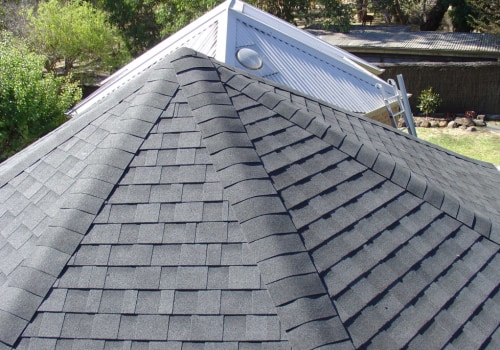
The external layer of a roofing system consists of various materialsincluding asphalt shingles, metal panels, wood shakes, clay tiles, orslate, each offering distinct aesthetic and functional properties. These materials differ considerably in durability, with asphalt typicallylasting 15-30 years while premium options like slate can exceed 100years of service life. Weather resistance capabilities vary by materialtype, with metal providing excellent protection against extremeconditions, clay and concrete tiles offering superior fire resistance,and specialized composite materials delivering enhanced impactresistance for hail-prone regions.
Types and Materials
Selecting the right external armor for a roof requires understandingthe range of available materials, each offering distinct benefits forprotection and aesthetics. Asphalt shingles remain the most popularchoice due to affordability and versatility, available in three-tab orarchitectural styles. For durability in extreme conditions, metalroofing withstands severe weather, offering 50+ year lifespans.
Homeowners seeking energy efficiency can choose Energy Star-ratedshingles or cool roofing materials, which reflect sunlight and reducecooling costs. Clay tiles provide Mediterranean appeal and weatherresistance, particularly in coastal areas. For a traditional look, woodand cedar shakes deliver rustic charm but require maintenance.
Premium options include slate tiles, known for elegance andlongevity, and innovative solar roof tiles that integrate energyproduction with protection.
Durability and Lifespan
When homeowners invest in a new roof, understanding the durabilityand lifespan of their chosen materials becomes essential for maximizinglong-term value. Different roofing materials offer varying levels ofprotection and longevity, with proper installation and maintenancegreatly impacting performance.
- Asphalt shingles provide 15-30 years of service at moderate cost, making them the most common residential choice
- Metal roofing systems last 40-80 years with minimal maintenancerequirements, offering excellent durability despite higher initialinvestment
- Clay and concrete tiles endure 50-100 years but require adequate structural support due to their weight
- Slate represents the premium option with potential lifespans of 75-200 years, though installation requires specialized expertise
Environmental conditions, installation quality, and maintenancepractices ultimately determine whether a roofing system will reach itsmaximum potential lifespan, regardless of material selection.
Weather Resistance Properties
While roofing durability determines how long materials last, weatherresistance capabilities define how effectively they protect againstnature's elements. Modern roofing systems employ specialized materialsdesigned for specific climate challenges.
Metal roofing excels in extreme conditions, withstanding winds up to140 mph and offering Class 4 impact resistance against hail. Itsnon-combustible nature provides protection in wildfire-prone regions.Asphalt shingles balance affordability with performance, with premiumversions rated for 130 mph winds. Clay and concrete tiles deliverexceptional thermal resistance for both hot and cold climates.
Weather resistance extends beyond the visible layer. Underlayment,membranes, and proper flashing prevent moisture infiltration, whileinsulation regulates temperature. Climate-appropriate material selection is critical—reflective surfaces for hot regions and snow-sheddingdesigns for areas with heavy precipitation.
Wind and Edge Protection: Starter Strips and Drip Edges
Two critical components of a roofing system that protect against wind damage and water infiltration are starter strips and drip edges.Starter strips create watertight seals along roof edges, while dripedges direct water away from the fascia into gutters. Together, theyform a thorough defense system that maintains structural integrityduring severe weather conditions.
- Starter strips with DuraGrip adhesive technology secure shinglesagainst blow-off, enhancing wind resistance and potentially improvingwarranty coverage
- Drip edges protect fascia and soffits from water damage by efficiently channeling runoff into gutters
- Pre-cut starter strips provide aesthetic advantages with straight edges and color coordination with designer shingles
- Proper installation along eaves and rakes guarantees maximumprotection against wind-driven rain and reduces callbacks for repairs
Temperature Control: Insulation Layers Explained
Insulation layers in roofing systems utilize varying R-values tooptimize temperature regulation efficiency in different climate zones.Modern moisture barrier technologies integrate with these insulationcomponents to prevent condensation while maintaining thermalperformance. Proper attic ventilation works synergistically withinsulation to create a balanced system that reduces energy costs andextends roof longevity.
Attic Ventilation Benefits
Attic ventilation plays a critical role in regulating temperaturethroughout a home's upper spaces. By establishing proper airflow,ventilation systems help maintain thermal balance, reducing summer attic temperatures that can exceed 150°F. This temperature control benefitsboth structural integrity and energy consumption, potentially reducingcooling costs by up to 10%.
- Minimizes moisture buildup that leads to mold growth and wood deterioration
- Extends HVAC system lifespan by reducing operational strain during peak seasons
- Protects roofing materials from heat damage, increasing overall roof durability
- Creates compliance with building codes while supporting sustainable energy practices
When properly integrated with insulation layers, ventilation creates a complete temperature management system that protects the investment in a home's structure while enhancing energy efficiency year-round.
R-Value Efficiency Factors
Understanding the crucial role of R-values in roofing systemsprovides homeowners with essential knowledge for maximizing energyefficiency. Higher R-values translate directly to better thermalresistance, greatly reducing heating and cooling costs over time.
When upgrading from R-20 to R-30 insulation, homeowners can expect asubstantial reduction in carbon emissions—over 4,000 pounds of CO2annually. While higher-performance insulation materials may requiregreater initial investment, the long-term energy savings often justifythese costs through reduced utility bills.
Performance varies greatly across insulation materials, witheffectiveness fluctuating under different temperature conditions. TheFederal Trade Commission's R-value Rule standardizes how manufacturersmust label and market insulation products, ensuring consumers can makeinformed comparisons when selecting materials for their roofing systems.
Moisture Barrier Technology
Moisture barriers represent a fundamental technology within extensive roofing systems, working in concert with properly rated insulation tomaximize energy efficiency. These barriers prevent moisture migrationfrom high to low humidity areas, typically from building interiorsoutward, thereby protecting insulation performance and structuralintegrity.
Modern vapour retarder technologies include:
- Smart membranes with absorbent layers that dynamically manage condensation
- One-way functionality materials allowing moisture to escape but not enter
- Polyamide-based innovations enhancing moisture management capabilities
- Adaptive materials that alter permeability based on temperature fluctuations
Proper installation remains essential for effectiveness, as correctly positioned barriers work synergistically with insulation layers. Bypreventing condensation, these systems maintain thermal performance,reduce mold growth risk, and extend roof longevity—ultimatelycontributing to significant energy savings through preserved insulationefficiency and reduced heating/cooling demands.
Airflow Systems: Ventilation in Modern Roofs
Modern roofing systems rely heavily on properly designed airflowcomponents to maintain structural integrity and energy efficiency.Effective ventilation systems typically incorporate both intakemechanisms—including soffit and gable vents—and exhaust components suchas ridge vents, roof louvers, and turbine vents (whirlybirds).
These systems function through either passive ventilation, whichutilizes natural airflow, or active ventilation employing poweredexhaust vents with thermostat controls. Properly balanced airflowbetween intake and exhaust points prevents moisture accumulation,reduces heat buildup, and extends roof life by minimizing conditionsfavorable to mold and structural deterioration. Many contemporarydesigns employ hybrid approaches that combine passive and activeelements, optimizing ventilation while maintaining energy efficiency.Solar-powered and wind-driven options provide environmentally consciousalternatives that reduce operational costs while delivering effectiveattic ventilation.
Water Diversion: Flashing, Gutters and Downspouts
Effective water diversion represents a critical component of anyroofing system, protecting the structural integrity of both the roof and the entire building. Modern roofing systems incorporate multiplediversion mechanisms to channel water away efficiently.
Flashing, typically made from metal or rubber, creates watertightseals around roof penetrations like chimneys and vents. Gutters collectwater running off roof edges, while downspouts transport this water away from the foundation. For low-slope applications, specialized roofdrains and crickets guarantee proper drainage and prevent pooling.
- K-style and half-round gutters accommodate different architectural designs
- Downspout extensions direct water further from foundations
- Siphonic drain systems use vacuum pressure for rapid water removal
- Tapered insulation creates slopes toward drainage points
Regular maintenance of these water diversion components prevents issues like clogging and extends the roofing system's lifespan.
Structural Support: Framing and Load Distribution
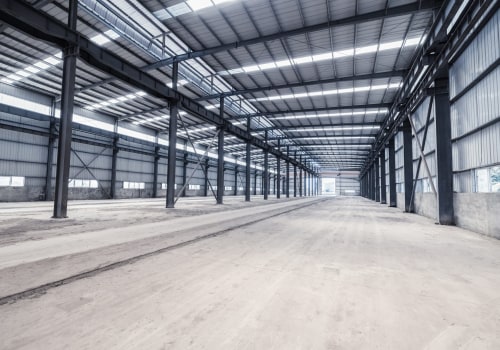
While water diversion systems protect a roof's exterior from moisture damage, the underlying structural framework forms the backbone thatsupports the entire system. This framework consists of primaryload-bearing elements—steel or aluminum support beams that distributeroof loads uniformly across the structure.
Vertical support systems, typically columns made of steel orconcrete, transfer these loads to the foundation by resistingcompressive forces. The framing structure incorporates trusses(triangular frameworks) or rafters (sloping beams) that connect toexterior walls and support the roof decking.
The decking, usually plywood or OSB, creates a surface for roofingmaterials while transferring external forces to the framing below.Engineering principles guarantee uniform load distribution, with beamspans optimized to prevent deflection and materials selected towithstand local environmental conditions.
Modern roofing systems integrate multiple specialized layers toprovide extensive structural protection. From the foundational deckingto external roofing materials, each component serves a specifictechnical function within the overall assembly. Proper installation ofunderlayment, moisture barriers, insulation, and ventilation elementsguarantees peak performance. When correctly implemented, theseinterlocking layers work systematically to manage moisture, regulatetemperature, and divert water, ultimately preserving building integrityagainst environmental stressors.